19 Quick Tips to Improve Your Health News
In an era where information travels at the speed of light, the quality of health news has never been more critical. Whether you are a health journalist, a medical blogger, or a healthcare professional sharing updates, the way you communicate health information can significantly impact public wellness. Misleading headlines or misinterpreted data can lead to confusion, while clear, evidence-based reporting empowers readers to make informed decisions.
To help you stand out in a crowded digital landscape and build lasting trust with your audience, we have compiled 19 quick tips to improve your health news. These strategies focus on accuracy, clarity, and ethical reporting.
1. Prioritize Peer-Reviewed Research
Always base your health news on studies published in reputable, peer-reviewed journals. Peer review acts as a quality control filter, ensuring that the research methodology and conclusions have been scrutinized by independent experts in the field. Avoid reporting on “pre-prints” without clearly stating that they have not yet been fully vetted.
2. Distinguish Between Correlation and Causation
One of the most common mistakes in health reporting is implying that because two things happen together, one caused the other. For example, if a study finds that coffee drinkers live longer, it doesn’t necessarily mean coffee causes longevity—it could be that coffee drinkers also tend to exercise more. Use cautious language like “associated with” or “linked to” rather than “causes.”
3. Report Absolute Risk, Not Just Relative Risk
Headlines often scream that a certain food “doubles your risk” of a disease. This is relative risk. However, if the original risk was 1 in 10,000, doubling it only makes it 2 in 10,000—still a very low probability. Always provide the absolute risk to give your readers a realistic perspective on the actual danger or benefit.
4. Check the Sample Size
A study involving 10 people is a pilot study, not a definitive conclusion. When reporting health news, look for large-scale clinical trials or meta-analyses. If you are reporting on a small study, be transparent with your audience about its limitations and the need for further research.
5. Humanize the Data with Expert Interviews
Data can be dry. To make your health news engaging, interview medical experts who can provide context. Seek out specialists who were not involved in the study to get an unbiased second opinion. This adds layers of credibility and makes the information more relatable to the reader.
6. Simplify Complex Medical Jargon
While you must be accurate, you don’t need to be academic. Translate terms like “myocardial infarction” to “heart attack” or “hypertension” to “high blood pressure.” Your goal is to make health news accessible to a general audience without “dumbing down” the science.
7. Avoid Sensationalist Clickbait
In the quest for views, it is tempting to use hyperbolic headlines like “Miracle Cure Found!” This damages your long-term reputation. A trustworthy health news source uses headlines that accurately reflect the content of the article. Honesty builds a loyal audience that returns for reliable information.
8. Disclose Funding and Conflicts of Interest
Transparency is the backbone of ethical health journalism. Always investigate who funded the study you are reporting on. If a study claiming sugar is healthy was funded by the soda industry, your readers deserve to know. Disclosing these links helps readers weigh the potential for bias.
9. Clarify Animal vs. Human Studies
Results seen in mice or lab dishes frequently do not translate to humans. If the “breakthrough” you are reporting on was conducted in a laboratory setting or on animals, make that distinction clear in the first few paragraphs. It prevents readers from forming false hopes about new treatments.
10. Provide Actionable Takeaways
After reading your health news, the audience should know what to do next. Should they talk to their doctor? Change their diet? Wait for more research? Ending your article with a “What This Means for You” section provides immediate value to the reader.
11. Use High-Quality Visuals
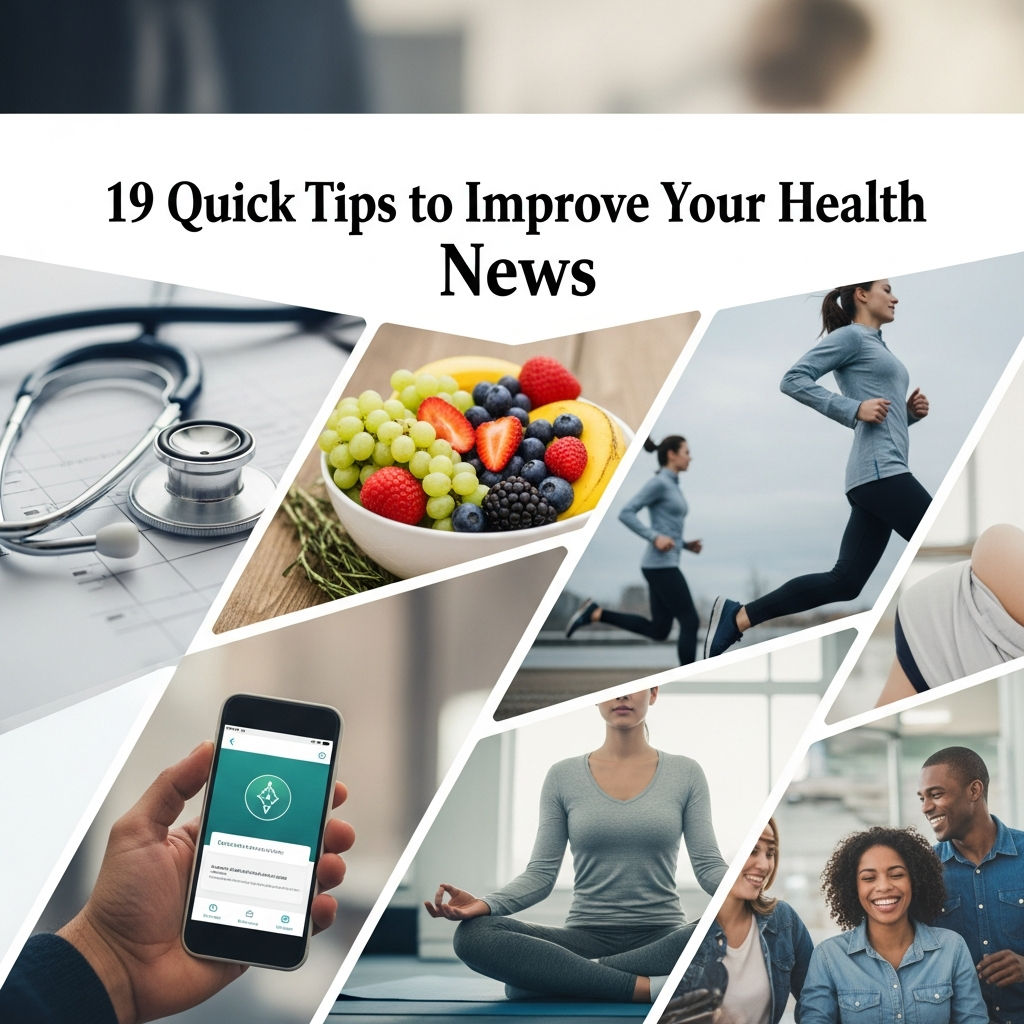
Health news often involves complex statistics or anatomical explanations. Use infographics, charts, and high-resolution images to break up the text and illustrate your points. Visual aids help readers retain information more effectively than text alone.
12. Contextualize the Findings
No study exists in a vacuum. Does this new research confirm what we already knew, or does it contradict previous findings? Providing historical context helps the reader understand whether the news represents a paradigm shift or just a small incremental step in medical science.
13. Mention Study Limitations
Every scientific study has flaws or limitations. Perhaps it only studied men, or the participants were all of a certain age. Mentioning these caveats doesn’t weaken your story; it strengthens your authority as a responsible and honest reporter.
14. Fact-Check Dosages and Names
In health reporting, a typo can be dangerous. Double-check the spelling of medications, the exact dosages mentioned in research, and the names of the lead researchers. Accuracy in the small details prevents the spread of harmful misinformation.
15. Optimize for SEO (Search Engine Optimization)
To ensure your health news reaches the people who need it, use relevant keywords naturally. Use headers (H2, H3) to organize your content and write descriptive meta-descriptions. Focus on “User Intent”—what questions are people asking about this health topic in search engines?
- Use primary keywords in the first 100 words.
- Include internal links to related health topics on your site.
- Ensure your site is mobile-friendly, as most health searches happen on phones.
16. Link to the Original Source
Always provide a direct link to the original study or the official press release from the university or medical institution. This allows skeptical or deeply interested readers to verify the information for themselves, fostering a relationship of trust.
17. Keep an Even Tone
Avoid being overly alarmist or overly optimistic. Health news should be delivered in a calm, professional tone. While it’s important to convey the seriousness of an outbreak or the excitement of a new vaccine, maintaining emotional neutrality helps the reader process the facts objectively.
18. Update Your Content Regularly
Medical science evolves rapidly. What was true six months ago might be outdated today. If you have “evergreen” health articles, revisit them periodically to ensure they reflect the latest clinical guidelines. Adding an “Updated on [Date]” tag shows readers that you are committed to current accuracy.
19. Engage with Reader Comments and Questions
Health news is often a conversation. If readers ask clarifying questions in the comments or on social media, take the time to respond with evidence-based answers. This engagement not only boosts your SEO but also establishes you as an accessible authority in the health space.
Conclusion
Improving your health news isn’t just about getting more clicks—it’s about providing a service to the community. By implementing these 19 tips, you can transform your reporting from simple information-sharing into a powerful tool for public health. Remember: accuracy, transparency, and clarity are your best assets in becoming a leading voice in health journalism.