“`html
Is Health News Still Relevant? The Evolving Landscape of Medical Journalism
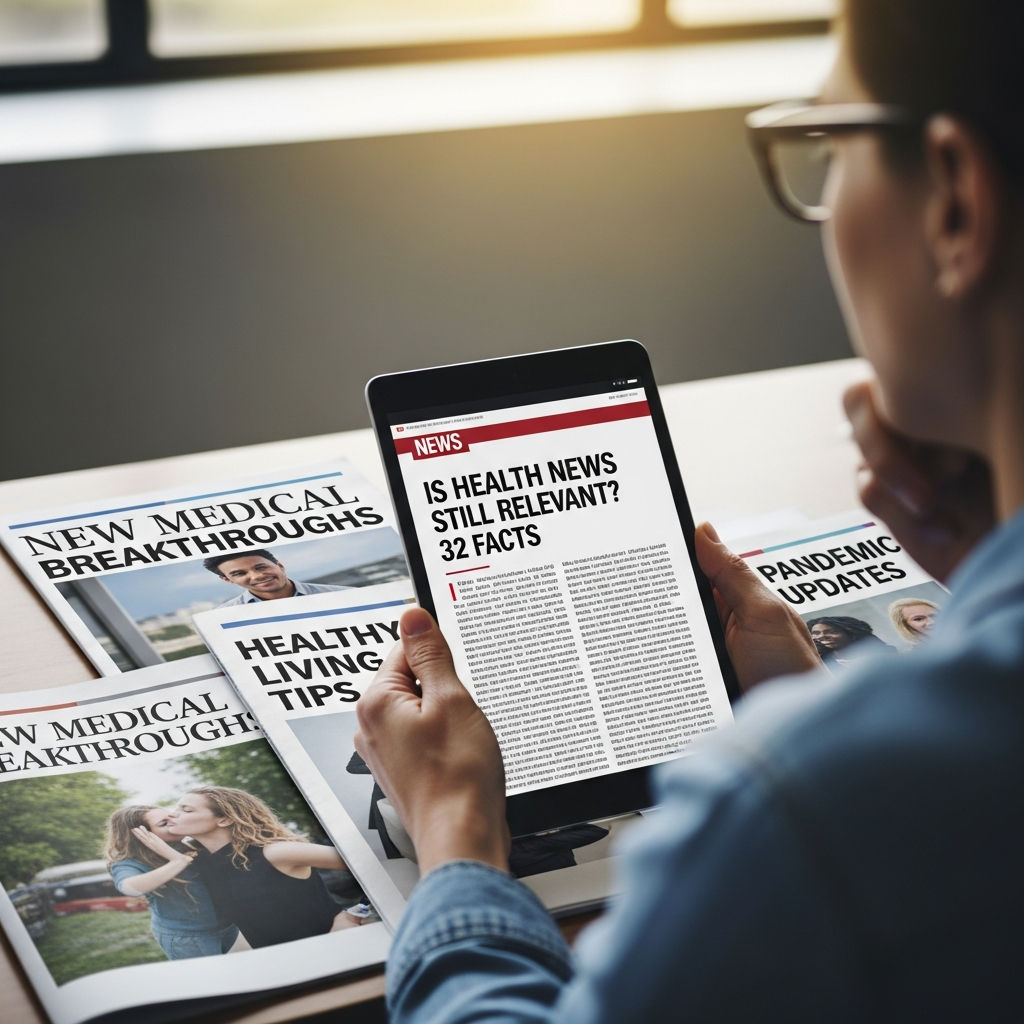
In an era defined by social media “gurus,” viral TikTok wellness trends, and the instantaneous nature of Google searches, many people wonder: Is traditional health news still relevant? Gone are the days when families waited for the evening news or the morning paper to learn about medical breakthroughs. Today, information—and misinformation—is everywhere.
Despite the saturation of the digital market, health news remains more critical than ever. However, its role has shifted from mere reporting to a complex gatekeeping function. As we navigate a post-pandemic world, the relevance of health news is tied directly to its ability to provide context, combat misinformation, and translate complex science into actionable advice. Below, we explore 32 facts that prove the enduring (and changing) relevance of health news today.
The Role of Health News in Public Safety
The primary function of health journalism is to act as a bridge between the scientific community and the general public. Without this bridge, public health initiatives would struggle to gain traction.
- 1. Pandemic Preparedness: Health news remains the primary vehicle for disseminating emergency protocols during outbreaks, as seen globally during the COVID-19 pandemic.
- 2. Outbreak Tracking: Reporting on localized outbreaks (like E. coli or measles) provides immediate safety information that saves lives.
- 3. Vaccine Education: Accurate reporting helps demystify the science behind immunizations, directly impacting community immunity levels.
- 4. Regulatory Updates: When the FDA or EMA approves or recalls a drug, health news is the first line of communication for patients.
- 5. Deciphering Policy: Health news translates complex government healthcare policies and insurance changes into language the average consumer can understand.
Consumer Behavior and Digital Trends
How we consume news has changed, but the appetite for health-related content is at an all-time high. Digital platforms have democratized information, though not always for the better.
- 6. The “Dr. Google” Phenomenon: Approximately 7% of all Google searches are health-related, amounting to over 70,000 searches every minute.
- 7. Social Media Influence: Over 40% of consumers say that information found on social media affects how they deal with their health.
- 8. Video Dominance: YouTube has become a major hub for health news, with many hospitals and doctors launching channels to provide verified information.
- 9. The Rise of “Infodemics”: The WHO coined the term “infodemic” to describe the overabundance of information—some accurate and some not—that occurs during a health crisis.
- 10. Trust Deficit: While people seek health news online, trust in traditional media outlets remains higher than trust in social media influencers for medical advice.
- 11. Mobile Accessibility: Health news is now consumed primarily via smartphones, leading to shorter, “snackable” content formats.
- 12. Newsletter Resurgence: Curated health newsletters have seen a massive spike in subscriptions as readers seek expert-vetted digests.
The Impact of Science and Research Reporting
One of the most vital roles of health news is filtering through thousands of medical studies published annually to find what truly matters to the public.
- 13. Translating Jargon: Health journalists take peer-reviewed papers and strip away the technical jargon for public consumption.
- 14. Contextualizing Breakthroughs: A single study rarely “cures” a disease; health news provides the context of where a study fits into the larger body of research.
- 15. Highlighting Funding Bias: Investigative health journalism often reveals who funded a study, which can expose potential conflicts of interest.
- 16. Promoting Preventative Care: News stories on diet, exercise, and mental health screenings encourage proactive health management.
- 17. Rare Disease Awareness: Journalism brings attention to “orphan” diseases, often leading to increased research funding and community support.
- 18. Clinical Trial Recruitment: News reports often help researchers find participants for groundbreaking clinical trials.
Mental Health and Wellness Journalism
In recent years, the definition of “health news” has expanded significantly to include mental health, reflecting a more holistic view of human well-being.
- 19. Destigmatization: Consistent reporting on depression, anxiety, and neurodiversity has played a major role in reducing social stigma.
- 20. The Loneliness Epidemic: Health news has brought attention to the physical health risks associated with social isolation.
- 21. Workplace Wellness: Reporting on burnout and work-life balance has forced corporations to rethink employee health benefits.
- 22. The Mind-Body Connection: News outlets are increasingly covering how gut health and inflammation affect mental clarity.
- 23. Crisis Resources: Health news frequently provides hotlines and resources for those in immediate psychological distress.
Technological and Ethical Frontiers
As technology evolves, health news must cover the ethical dilemmas and practical applications of new tools like AI and wearable tech.
- 24. AI in Medicine: Reporting on artificial intelligence helps patients understand how algorithms are being used in diagnosis and treatment.
- 25. Wearable Data: News stories help consumers interpret data from their Apple Watches or Oura Rings.
- 26. Telemedicine Growth: Journalism played a key role in teaching the public how to use virtual care during global lockdowns.
- 27. Bioethics Debates: From CRISPR gene editing to AI privacy, health news facilitates necessary public debate on medical ethics.
- 28. Personalized Medicine: Coverage of genomics is helping the public understand the move toward “bespoke” healthcare.
The Dangers of Misinformation and the Path Forward
The relevance of health news is perhaps most evident when it fails or when it is replaced by “fake news.”
- 29. Combatting “Clickbait”: Sensationalized headlines can lead to dangerous health decisions; responsible journalism acts as a corrective force.
- 30. Fact-Checking Services: Major news organizations now employ dedicated medical fact-checkers to verify viral health claims.
- 31. The “Placebo Effect” of News: Positive health news can actually improve public morale and health outcomes, while “doomscrolling” can increase cortisol levels.
- 32. Accountability: Health news holds pharmaceutical companies and healthcare systems accountable for pricing, safety, and efficacy.
Conclusion: Why We Still Need Health News
Is health news still relevant? The answer is a resounding yes. While the delivery has changed from ink-on-paper to pixels-on-screens, the necessity of accurate, contextualized medical information has never been greater. In a world where anyone with an internet connection can claim to be an expert, professional health journalism serves as a vital filter.
The modern reader doesn’t just need more information; they need better information. They need to know not just that a new study exists, but whether that study is statistically significant, who paid for it, and how it applies to their daily life. As long as humans face illness, aging, and the desire for a better quality of life, health news will remain the cornerstone of a well-informed society.
Tips for Consuming Health News Responsibly:
- Check for citations: Does the article link to a peer-reviewed study?
- Look for the date: Medical information evolves rapidly; ensure the news is current.
- Verify the author: Is the piece written by a specialized medical journalist or reviewed by a doctor?
- Beware of “miracle” claims: If it sounds too good to be true, it likely is.
“`