Why Improving Your Health News Content is Essential for SEO
In the digital age, health news is one of the most scrutinized categories of content by search engines like Google. Categorized under “Your Money or Your Life” (YMYL), health-related articles carry significant weight because they can directly impact a reader’s physical or mental well-being. To rank well and build a loyal audience, your health news must be more than just informative; it must be accurate, authoritative, and trustworthy.
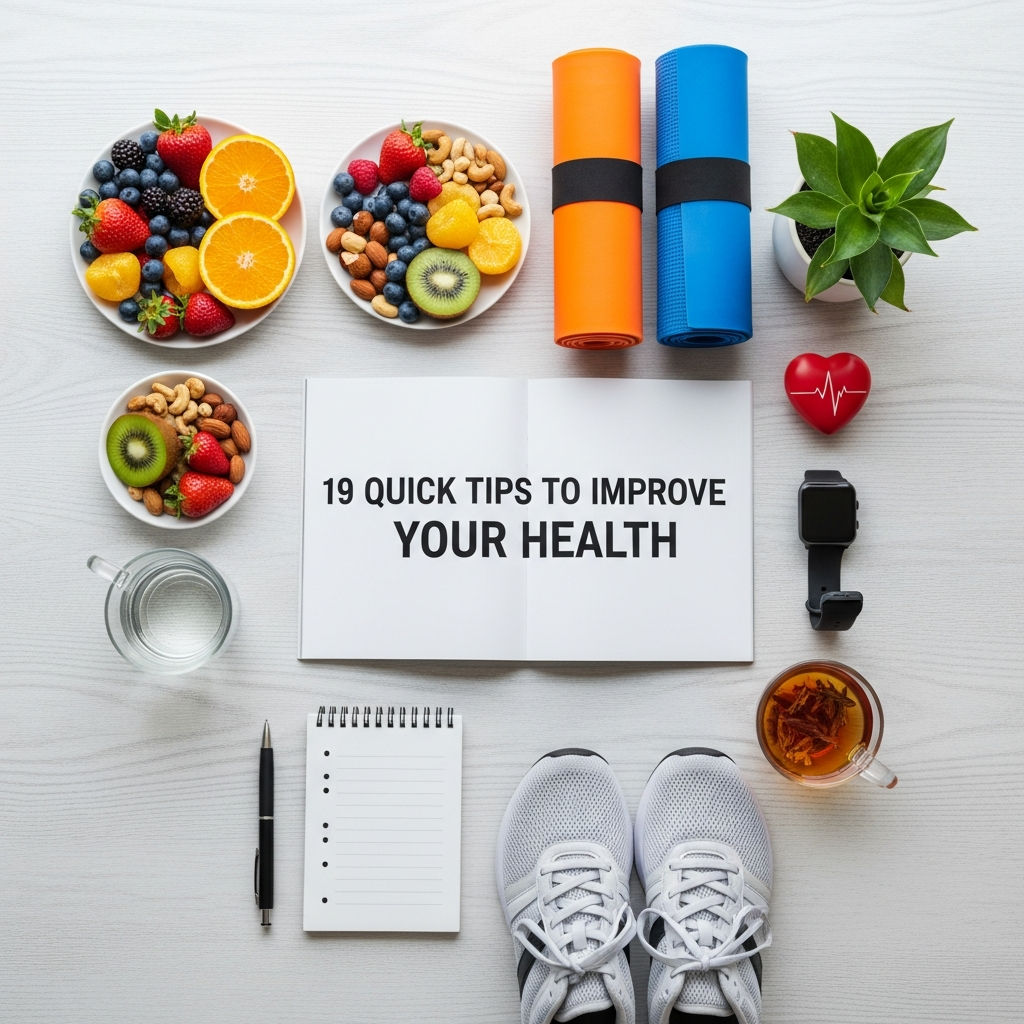
Google’s E-E-A-T (Experience, Expertise, Authoritativeness, and Trustworthiness) guidelines are the gold standard for health journalism. If you want your health news to reach a wider audience while maintaining high editorial standards, you need to refine your approach. Here are 19 quick tips to improve your health news, boost your SEO, and establish your brand as a leader in the medical space.
19 Quick Tips to Improve Your Health News
1. Prioritize Peer-Reviewed Sources
Always link back to primary sources, such as peer-reviewed journals (e.g., The Lancet, JAMA, or NEJM). Avoid using other news outlets as your primary source of information. Linking to original research signals to search engines that your content is grounded in scientific evidence.
2. Implement a Medical Review Process
To satisfy the “Expertise” requirement of E-E-A-T, have every piece of health news reviewed by a qualified medical professional. Including a “Medically Reviewed By” byline with a link to the reviewer’s credentials drastically increases your content’s credibility and search ranking potential.
3. Use Clear, Non-Sensationalist Headlines
Clickbait is dangerous in the health niche. Instead of “Miracle Cure Found for Heart Disease,” use “New Study Suggests Potential Breakthrough in Cardiac Treatment.” Clear, descriptive headlines improve user trust and reduce bounce rates, which are key signals for SEO.
4. Address Study Limitations
Every scientific study has limitations—whether it was a small sample size, performed on animals, or a short-term observation. Be transparent about these. Discussing what a study doesn’t prove is just as important as discussing what it does.
5. Define Complex Medical Jargon
Health news often involves complex terms like “cytokine storm” or “neuroplasticity.” Don’t assume your readers know these terms. Use a simple, one-sentence definition in parentheses or a sidebar to keep your content accessible to a general audience.
6. Include a “Last Updated” Date
Health information changes rapidly. An article about COVID-19 from 2020 may be dangerously outdated today. Always display the “Last Updated” date at the top of your articles to show both users and search crawlers that your information is current.
7. Use Bulleted Lists for Key Findings
Most readers scan health news to find the bottom line. Use bulleted lists to summarize the key takeaways of a study or a news report. This improves readability and increases the chances of your content appearing in Google’s “Featured Snippets.”
8. Interview Independent Experts
Don’t just quote the authors of a study. Reach out to an independent expert in the field for a “third-party” perspective. This adds a layer of objective analysis that separates high-quality journalism from simple press release rehashes.
9. Optimize for Voice Search
Many users ask health questions via voice assistants (e.g., “What are the symptoms of the flu?”). Structure your health news to answer these questions directly. Use H3 tags that frame common questions to capture this growing segment of search traffic.
10. Avoid Absolute Language
In medicine, few things are “guaranteed” or “100% effective.” Use cautious language like “may,” “suggests,” “potential,” and “associated with.” This reflects the reality of scientific inquiry and protects you from making false medical claims.
11. Create Detailed Author Bios
Google evaluates who is writing your content. Ensure your authors have detailed bios that highlight their experience in health journalism or their medical background. Link to their social media profiles or professional portfolios to prove they are real, authoritative people.
12. Disclose Potential Conflicts of Interest
If a study you are reporting on was funded by a pharmaceutical company, say so. Transparency regarding funding and potential biases is a hallmark of ethical health news and builds deep trust with your readership.
13. Use High-Quality, Relevant Imagery
Avoid generic stock photos that don’t add value. Instead, use medical diagrams, infographics, or charts that help explain the data. Always use descriptive Alt Text for images to improve accessibility and SEO.
14. Focus on “Actionable” Advice
While reporting the news is important, readers often want to know what it means for them. Include a section on “What This Means for You,” providing practical, safe steps readers can take based on the news, such as “Consult your doctor before changing your dosage.”
15. Monitor Your Core Web Vitals
Health news consumers are often looking for quick answers during a moment of concern. If your site is slow or difficult to navigate on mobile, they will leave. Ensure your site loads quickly and provides a seamless mobile experience to keep your rankings high.
16. Link to Related Health Content
Internal linking helps search engines understand the structure of your site. If you are reporting on a new diabetes drug, link to your comprehensive guide on managing type 2 diabetes. This keeps readers on your site longer and establishes topical authority.
17. Provide Context with History
Don’t report news in a vacuum. Briefly mention how a new development fits into the historical context of the condition. Has this been tried before? Is this the first time a drug has reached Phase III trials? Context adds depth and authority.
18. Incorporate Video Summaries
Many users prefer watching a 60-second summary over reading a 1,000-word article. Including a short video summary of the health news can increase time-on-page and appeal to different learning styles.
19. Fact-Check Everything Twice
A single factual error in health news can lead to a loss of credibility that takes years to rebuild. Use a dedicated fact-checker to verify statistics, names of medications, and specific dosages before hitting publish.
The Importance of YMYL and E-E-A-T in Health Journalism
Improving your health news isn’t just about following a checklist; it’s about adopting a mindset of responsibility. Because health news falls under the YMYL category, search engine algorithms are designed to be “skeptical.” They look for signals that the content is safe and verified.
By focusing on E-E-A-T, you are essentially providing Google with the “proof” it needs to rank your content. When you cite a PubMed study, you are showing Authority. When a doctor reviews your post, you are showing Expertise. When you disclose a conflict of interest, you are showing Trustworthiness. All these elements work together to improve your SEO and, more importantly, provide a valuable service to your readers.
Conclusion
In the competitive world of digital health news, quality is the ultimate differentiator. By implementing these 19 tips, you can transform your health news from simple reporting into high-authority content that search engines love and readers trust. Remember, the goal of health news is to inform and empower. When you prioritize accuracy and clarity over clicks, your SEO performance will naturally follow.
- Always lead with the most important facts.
- Keep the tone professional yet empathetic.
- Never stop updating and refining your old content.
Start applying these tips today to see a measurable improvement in your site’s traffic, engagement, and reputation as a trusted source for health news.